September 11, 2026
When evaluating potential caterers, exploring the variety and flexibility of their menu options is the essential first step. A comprehensive menu should easily adapt to diverse cultural preferences, regional tastes, and specific dietary needs to ensure every attendee is satisfied. Professional caterers are accustomed to accommodating vegan, gluten-free, or nut-free diets without compromising on flavor or presentation. Engaging a vendor who offers custom tasting sessions allows you to experience the flavor profiles, plating styles, and portion sizes firsthand before finalizing your contract.
Selecting Service Styles
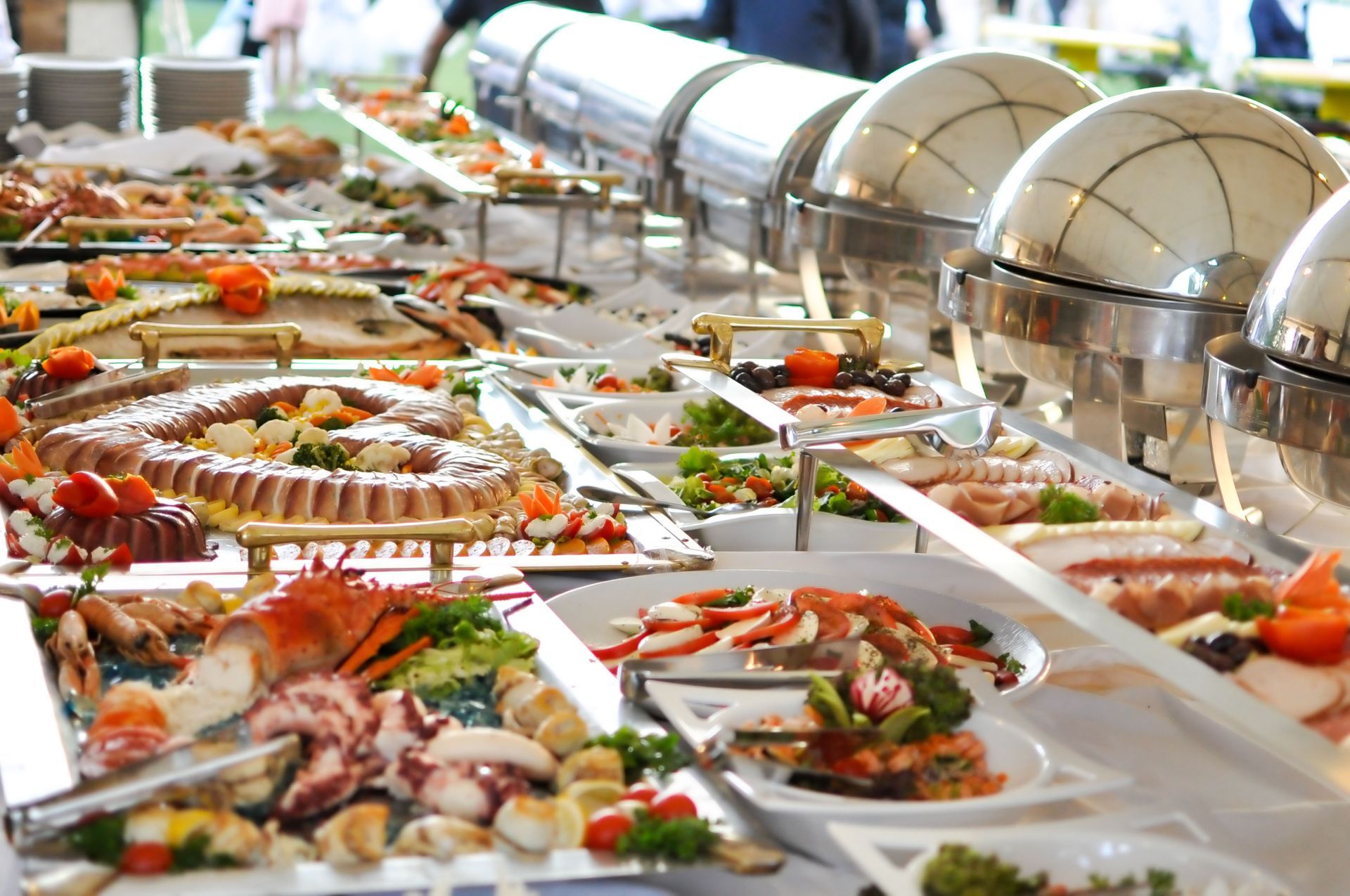
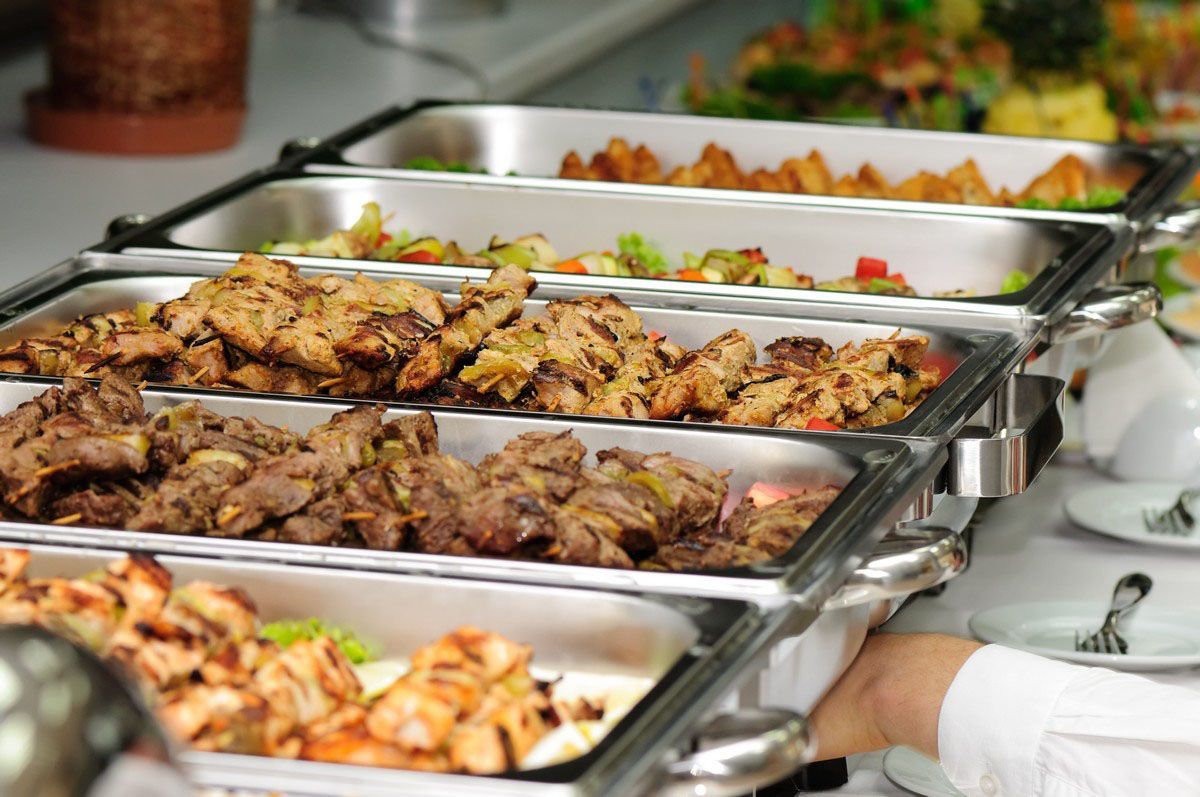
The style of service you select dramatically influences the overall atmosphere, pace, and guest interaction at your reception. Plated service offers traditional elegance and structured timing, while buffets grant guests the freedom to select their own portions in a relaxed setting. Family-style dining fosters a warm, communal environment as shared platters move across individual tables. Discussing these formats with your prospective provider helps align the meal flow with your venue layout and event timeline. Experienced providers of wedding catering will guide you through the staffing requirements and setup logistics needed to execute your chosen service style flawlessly.
Clarifying Pricing Structures
Understanding how a caterer structures their fees is vital for managing your overall event budget and preventing hidden expenses. Catering quotes may be billed per person, per plate, or structured as all-inclusive package deals that cover staff, tableware, and linens. Transparent pricing allows for accurate financial planning, especially when factoring in premium menu upgrades, specialty equipment, or custom late-night snack stations. Additionally, discussing bar options, whether hosted, cash, or a hybrid setup, helps set realistic expectations. Clear communication regarding deposits, overtime fees, and gratuities ensures a transparent partnership from start to finish.
Securing Event Availability
Confirming a vendor's availability on your target date is a critical milestone that should be addressed during initial inquiries. Peak seasons require booking well in advance, alongside a clear understanding of deposit requirements and contract deadlines. It is equally important to ask how the company manages concurrent events to ensure your reception receives dedicated focus and adequate staffing. A professional team will outline a precise operational schedule, detailing arrival times, food prep windows, and teardown procedures. Understanding their cancellation and rescheduling policies provides essential peace of mind should unexpected circumstances arise.
Evaluating Industry Experience
A team’s depth of experience with large-scale events is a reliable indicator of how smoothly your reception will run. According to The Knot Real Weddings Study, 84% of couples choose to hire a caterer for their wedding reception, emphasizing the importance of professional expertise in crafting a versatile menu and managing event flow. Seasoned professionals anticipate potential logistical hurdles, seamlessly adjust to sudden timeline shifts, and handle last-minute guest accommodations with ease. Requesting references and reviewing portfolios of past events provides insight into their creative menu design and problem-solving abilities. Partnering with a skilled provider transforms your culinary vision into an unforgettable dining experience.
Accommodating Dietary Needs
In modern event planning, accommodating varied guest dietary restrictions is a fundamental expectation of quality hospitality. Inquiring about a caterer's protocols for handling severe allergies, gluten sensitivities, and plant-based requests ensures every guest feels included and cared for. Professional teams take strict precautions to prevent cross-contamination in the kitchen and ensure serving staff are thoroughly briefed on ingredient lists. Providing your vendor with advance notice of guest restrictions allows them to source specialized ingredients efficiently. Reliable wedding catering companies seamlessly integrate these specialized meals into the broader service timeline so that every course is served concurrently.
Scheduling Tasting Sessions
Tasting sessions provide an invaluable opportunity to evaluate a caterer's culinary craft, presentation style, and service quality firsthand. These consultations allow you to provide direct feedback on spice levels, sauce pairings, and plate arrangements to ensure the final dishes match your expectations. Observing how the culinary team receives feedback during the tasting reveals their flexibility and dedication to client satisfaction. Beyond the food itself, the tasting experience offers a preview of the team's professional demeanor and attention to detail. Investing time in a thorough tasting ensures complete confidence in your chosen wedding catering provider.
Managing Beverage Services
A well-executed beverage program complements your meal service and enhances the overall guest experience throughout the evening. Whether you envision a full open bar, signature craft cocktails, or curated wine pairings, discussing your vision early ensures proper licensing and staffing. Reviewing the provider's alcohol policies, liability insurance, and bartender-to-guest ratios guarantees safe and efficient service. Equal attention should be given to non-alcoholic offerings, such as handcrafted mocktails, artisanal sodas, or infused water stations.
Designing Table Presentations
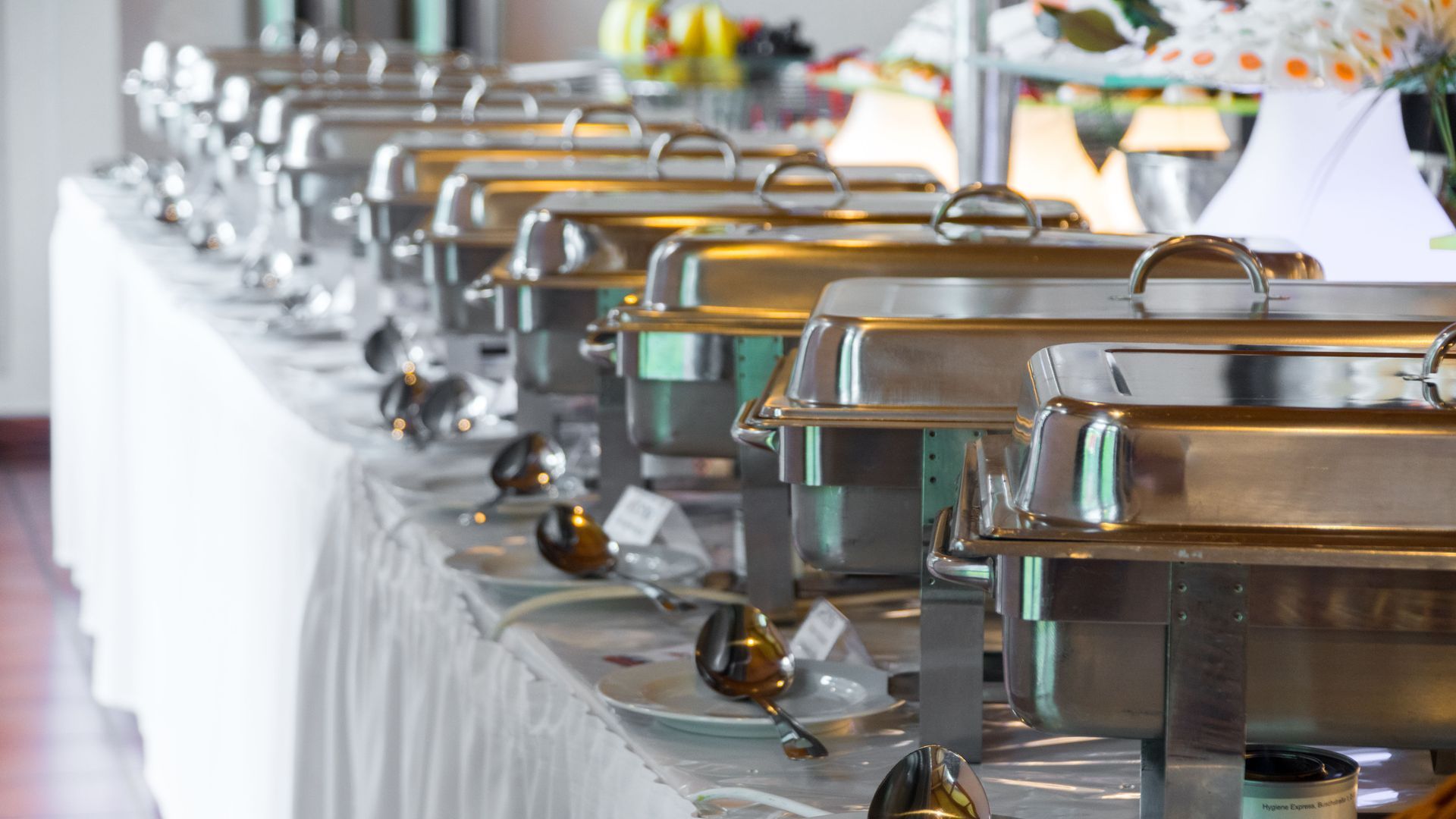
The visual presentation of your meal contributes significantly to the overall aesthetic and mood of your reception space. Skilled caterers approach food styling as an art form, pairing exquisite plating with elegant linens, flatware, and table settings that match your theme. Discussing tablescape designs, serving platters, and course transitions helps integrate the dining experience smoothly into the surrounding venue decor. Experienced operators of wedding catering adapt their presentation protocols to suit both formal sit-down dinners and relaxed, interactive food stations. Striking a balance between visual elegance and efficient service ensures every dish arrives at the optimal temperature and aesthetic standard.
Organizing Setup Timelines
Clarifying the precise scope of setup and teardown responsibilities included in your package is essential for seamless day-of operations. You should review the timeline required for kitchen equipment installation, table staging, and post-event cleanup with your catering manager. Clear coordination ensures that food preparation aligns with venue access hours and avoids conflicts with other arriving vendors. Open communication regarding trash disposal, dishwashing facilities, and venue regulations prevents unexpected fee penalties after the event.
Coordinating Venue Logistics
Successful event execution relies heavily on direct collaboration between your catering team and the venue management staff. Discussing site-specific limitations, such as load-in zones, electrical capacities, and kitchen equipment availability, helps avoid last-minute operational challenges. Experienced professionals conduct walkthroughs of unfamiliar spaces to map out service routes and prep areas prior to the wedding date. Establishing clear lines of communication between all service vendors guarantees synchronized transitions from the cocktail hour to the main dinner. Professional wedding catering teams manage these technical details behind the scenes so you can focus entirely on celebrating.
Reviewing Safety Protocols
Food safety and hygiene standards are foundational elements that protect the health and well-being of your wedding guests. Inquiring about a caterer's health department ratings, food temperature maintenance protocols, and staff certifications ensures compliance with industry regulations. Proper refrigeration transport and safe holding practices are especially critical for outdoor receptions or venues lacking commercial kitchen space. Professional teams strictly adhere to sanitation guidelines during prep, transportation, and serving to guarantee peak food quality.
Finalizing Contract Terms
Before signing on the dotted line, a thorough review of every clause within your catering contract is essential for protecting your investment. Ensure that itemized costs for food, staffing, rentals, taxes, and service charges are clearly stated alongside payment schedules. The contract should explicitly define guest count lock-in dates, substitution policies for seasonal ingredients, and exact refund structures. Retaining written documentation of all special requests, dietary accommodations, and operational timelines prevents miscommunications as the date approaches. A clear, comprehensive contract establishes a trusted business foundation for a stress-free wedding day.
Planning an unforgettable reception begins with securing a dedicated culinary team that brings your unique vision to life with exceptional flavor and flawless service. To ensure your special day is executed with complete professionalism and culinary excellence, contact Vassel’s Main Street Catering.